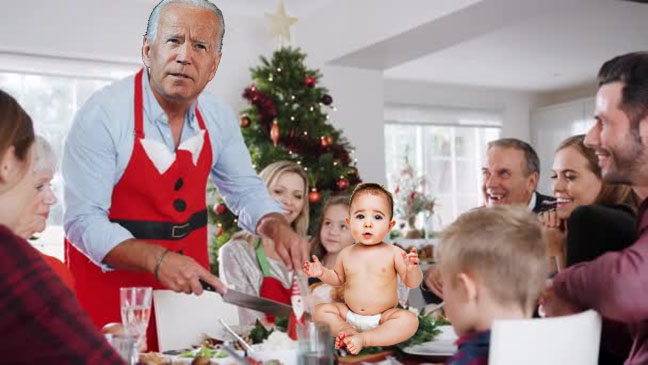
So far, the sites chosen to build these historic buildings have been narrowed down to Lithuania, Latvia, Columbia or a small island off the coast of Cuba.

So far, the sites chosen to build these historic buildings have been narrowed down to Lithuania, Latvia, Columbia or a small island off the coast of Cuba.

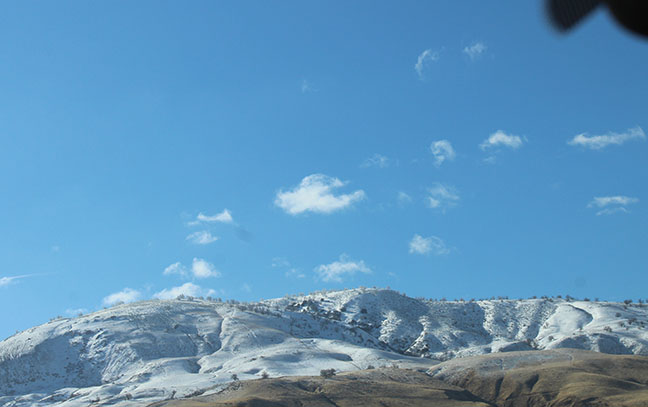
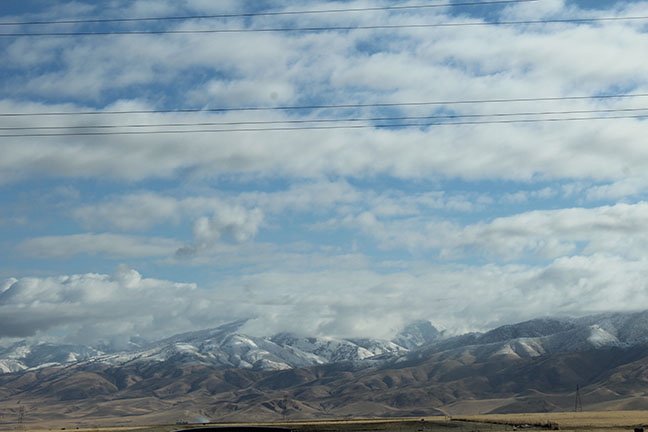
That is snow. And in the foreground, palm trees. Now, I know that to many of you, that is a pathetic amount of snow.

But this is Southern California. This is the pass leading from the central valley to Los Angeles. That snow fell as low as 4,000 feet.

This snowfall isn’t unknown. The pass gets some snow most years. But not that much, and not that low down. It closed the highway… which made my drive from the Bay Area, where we did that late Christmas thing at my mom’s house, to San Diego a much longer trip than usual, and it is already 500 miles of traffic.

On top of that, the storms had washed away a section of highway 1… again. The 5 and the 1 are the two main North to South arteries of California.

I was stuck here for hours while the road was plowed.

I suppose some of you will say; “See, it is cold in Southern California, global climate change is a hoax!”.

I am not going to bother explaining once more how warm weather in one spot can cause colder weather in another spot.

Google how weather and climate work.

Anyway, once I made it past the snow…

I was in Los Angeles just 20 minutes later.

Seriously, do not take pictures while you drive a car. I was a professional driver. And I just point my camera without looking, snap a bunch of shots, and delete the ones that are bad. Yay, digital photography.

I could have used these to do one more post in my series on the study of light and shadow.

But I will let them stand on their own.

Because… flowers!!!

Who doesn’t like flowers?

Even though I am back in San Diego, I am still finishing up the posts of pictures I took on our trip.

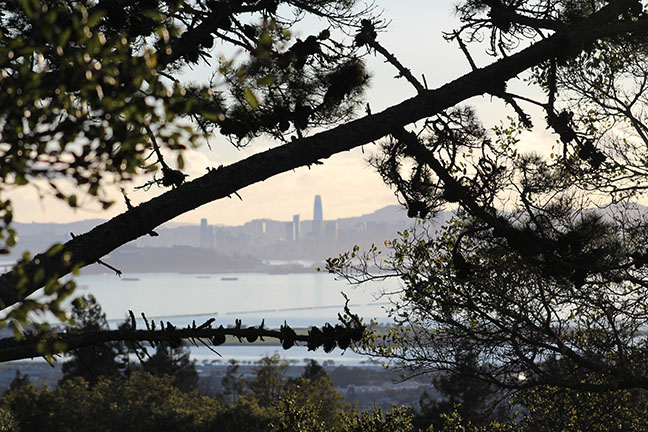
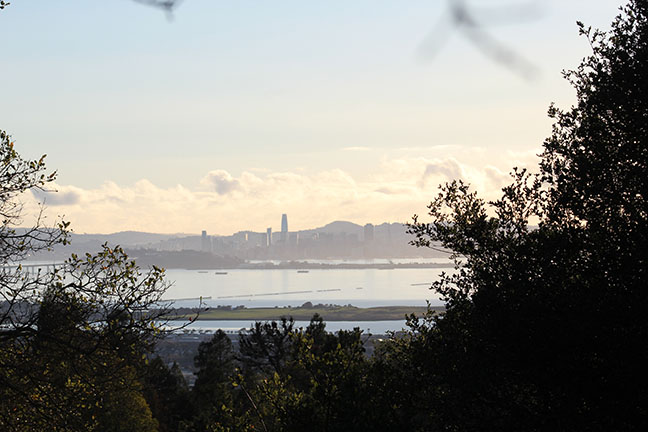
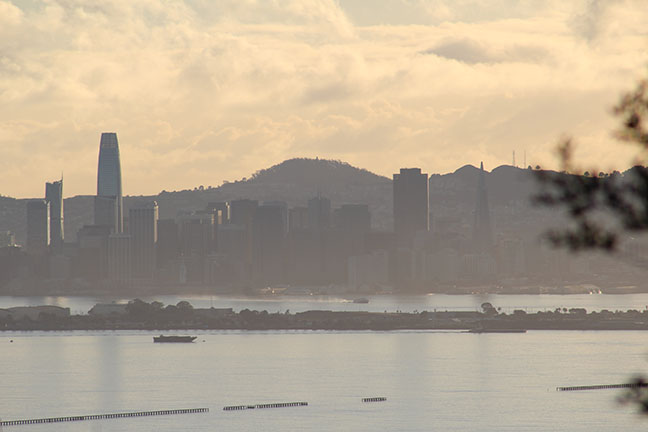
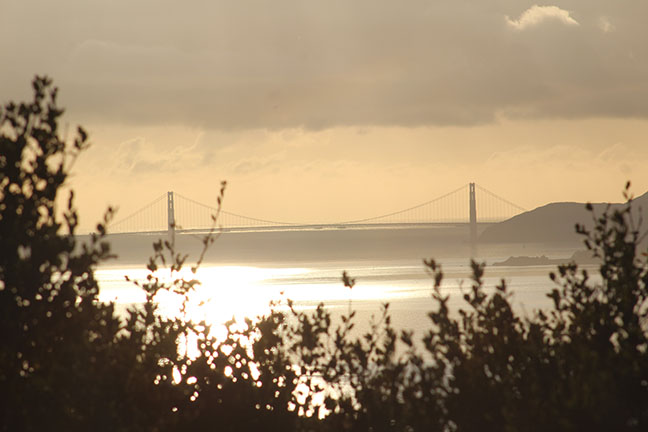
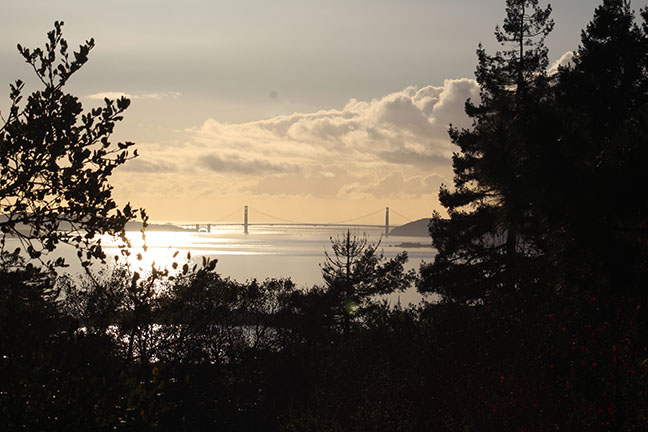
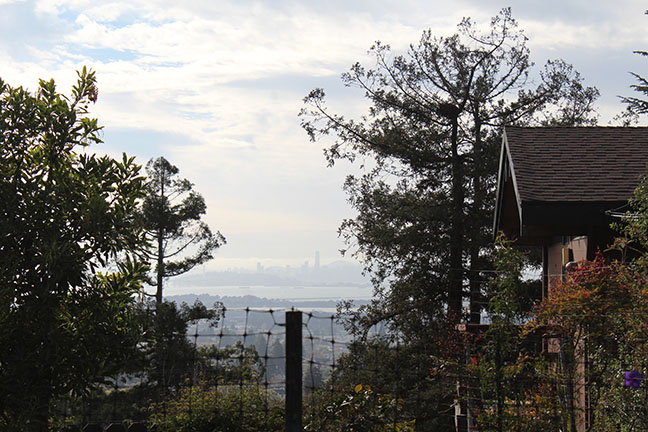
One more post of shots of San Francisco and the Golden Gate across the bay.

And then a post of some photos of some snowy mountains I took near Los Angeles on the way home, where snow rarely falls, and almost never in this amount.

And then a post about the Christmas presents I got this year…

And then, I am going to start some posts of things I did with some of my gifts, and this blog is moving to a whole new level… that is a hint, by the way.

Now some of you may have noticed that I usually try to put 12 photos in each photo post, because this seems like a good number.

So there is the last picture I took of turkeys outside my mom’s house.

And one bonus shot of Alcatraz Island out in the Bay.

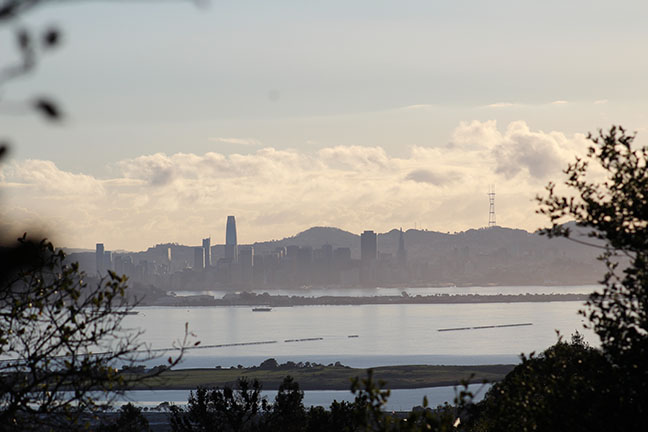
The Golden Gate, framed by trees. One thing I love about where I grew up in the hills across the bay from San Francisco is that there are lots of trees in my little hometown.

Also, the Bay Area is famous for its mists and fogs, which is pertinent to a study of how we perceive light and shadow. Haze obscures vision and mutes shadows. San Francisco hides shyly across the bay, and colors are strangely muted.

Light highlights the edges of buildings, glistens on the water, throws the trees and leaves into well-defined points.

We respond visually to the colors and shapes of this earth, we wreath our houses in nature, we make roof tiles from natural components.

Cities beckon us, as does a cozy house, but still we add the colors and shapes of nature.

Nature smooths the rough edges, or the too-straight line.

And nature will begin to reclaim any object we make if it is left alone.

A brand new wooden fence is just a fence, even with artistic flourishes.

But give time and weather, water and sunlight some time, and they will make their presence felt.

And then, the interplay of nature and manmade, the dance of sunlight and shadow, come into their own.

We mimic the shapes of nature.

We use the colors that we have known for eons.

Sunlight on a lemon tree. Our eyes are adapted to the light levels of our sun. And all the plants on Earth are adapted to grow in that same sunlight.

It is amazing how nature links together in so many ways.

Why is nature so beautiful to us?

Why is getting out in nature so rejuvinating?

Why is the weaving of light and shadow so mesmerizing?

Maybe it is because we have been living in and with nature for so long.

We lived in forests and woodlands for far longer than we have lived in cities.

We plant trees and flowers, make parks, keep the trees near us.

Maybe we know we need them, that they are more than decorations.

Maybe we need the tangled branches to offset the straight lines of our cities.

Maybe a stately oak tree speaks to us.

Perhaps a Redwood calls us home is some mysterious way.

Maybe we aren’t as far detached from nature as we pretend we are.

And maybe the trees are looking back at us.

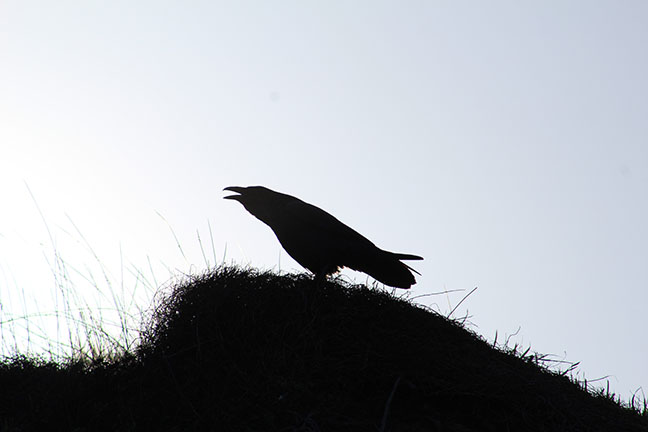
A crow, on that beach near the Golden Gate Bridge, silhouetted by the sun. That might be the perfect picture for a photographic series about light and shadows.

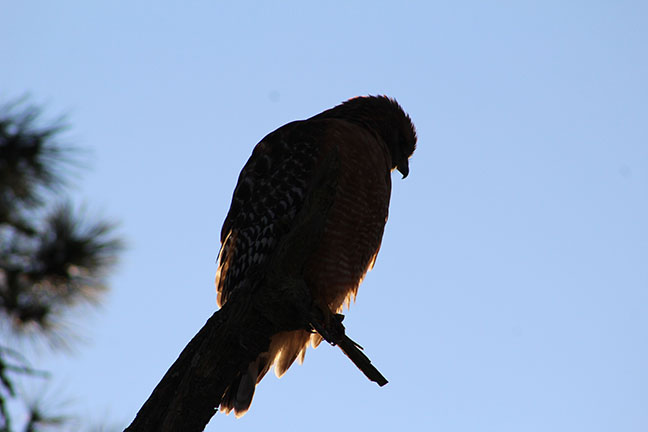
That very young Redtail Hawk I spotted near the elementary school I went to so many years ago. Shadows obscure his magnificent plumage, but the light throws his majestic form into relief.

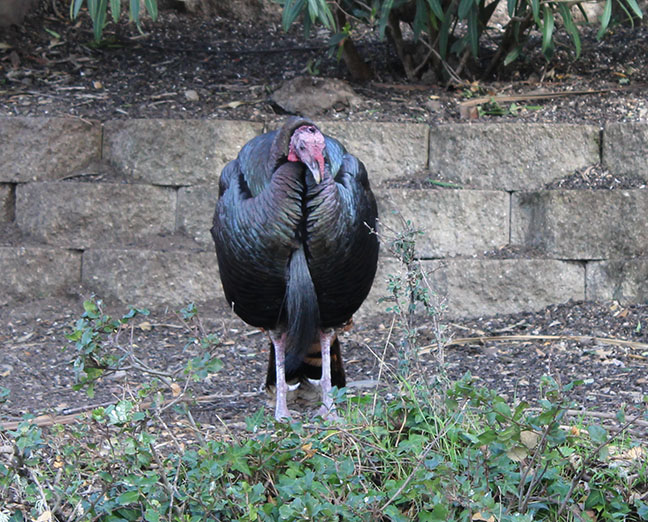
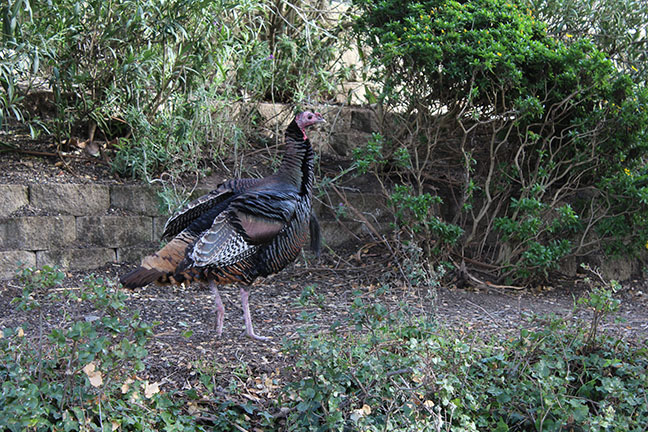
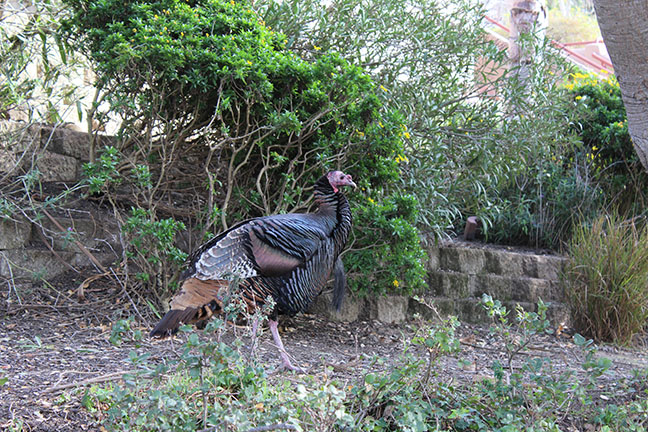
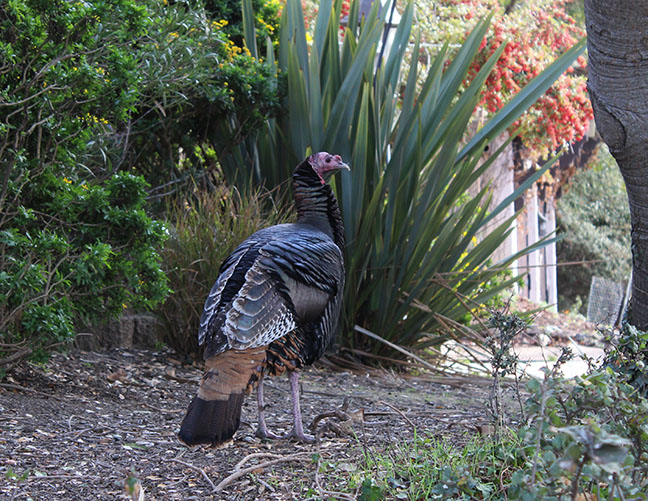
A turkey, pretending he is a vulture?

Nature doesn’t waste energy. Bird feathers have two functions, impressing the ladies for mating, and keeping the bird alive.

Turkeys are tasty, so the males, like that one, aren’t exactly peacocks.

But what does this have to do with light and shadow? I am getting to that.

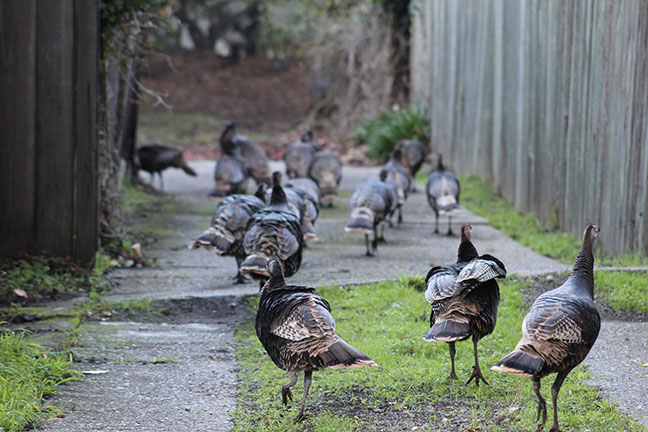
Now observe the group of females. Those mottled feather patterns are perfect for woodlands. They blend in with the dead leaves on the forest floor.

They break up the turkeys’ shape, and even mimic the dappled sunlight filtering through the leaves.

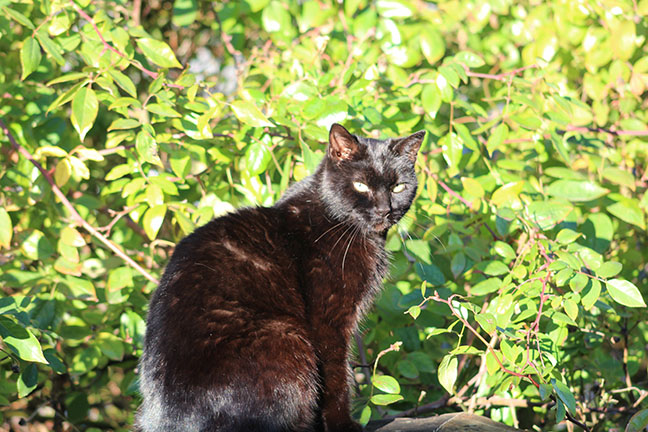
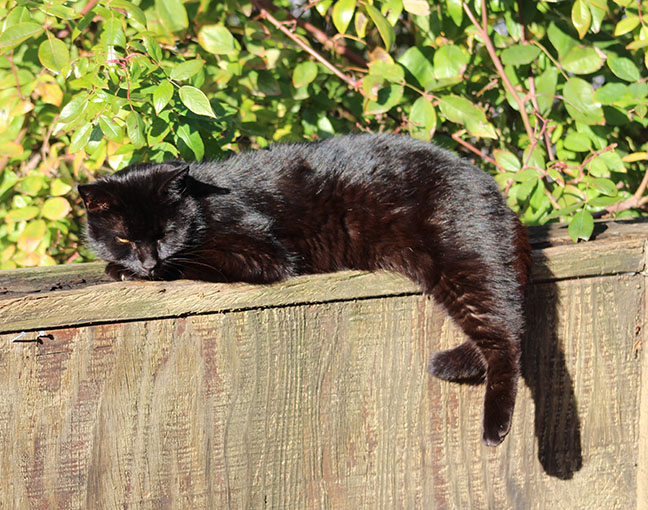
A black cat is perfect for this study.

A black cat is basically a walking shadow.

Lots of cats are colored to blend into dry gasses and stripy sunlight.

The black cat can do this too.

But for hunting at night, in the absence or near-absence of light, these predators have it going on.

Plus, black keeps you warm at naptime.

According to my well-placed sources, tRump’s plan to disorganize the republican party by getting elected to the presidency and then being the worst president ever has worked far better than expected. I mean, seriously, who ever considered that the republican party would actually welcome racists, conspiracy theorists and violent militias in with open arms?

Will you at least admit that so far, even though democrats run the House, Senate and White House, nobody ate your baby, or the babies of anyone you know, or even drank their blood, sacrificed them to Satan, or sold them into sex slavery?
This is the first step on the road to recovery.
Yours truly, Pouring My Art Out

For eons our eyes have been adapting, evolving, if you will, to the world on which we live.

They are attuned to the spectrums of light and color surrounding us.

Other animals have eyes that see in different spectrums, and they see more or less than we do.

But our brains have gained the ability to see the beauty in nature, and to enjoy it.

Our eyes are not just specialized for night vision; in fact, we have very poor night vision. We do not have the telescopic sight of the hunting birds, the finely tuned ability to spot movement of the cats, but we have very good all-round vision for many situations.

We do not use our eyes merely to acquire food or other necessities.

We can revel in the awesome beauty of a flower, or a sunset, yes, but even the simple aspects of nature catch our eyes.

Sun-dappled leaves, shade dancing in the breeze, the interplay of light and shadow.

The very symmetry and asymmetry of nature are marvelous.

Light allows the colors, and the colors and shapes make us feel at home on this planet.

The beach, where we first dragged our forms from the sea, those many millennia ago…

Where we struggled to take our first breaths, our first steps…

And where our eyes began the adaptations that led us to where we are today.